
 57
11/10/2026
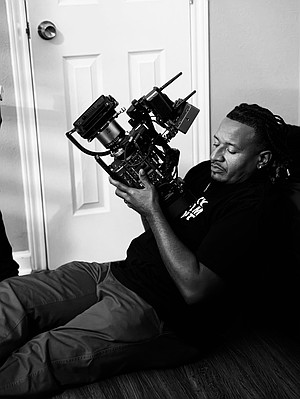
There is something undeniably powerful about a storyteller who understands that the most compelling stories are often rooted in the realities we live, the people we encounter, and the experiences that shape us. For Houston-based filmmaker and creative entrepreneur Derek "Hype South" Wade, the camera is more than a production tool—it is a vehicle for perspective, representation, and creative freedom.
His journey from establishing a presence in Houston’s hip-hop culture to navigating the multifaceted world of independent filmmaking has been one of evolution, experimentation, and intentional growth. But one thing has remained constant: authenticity.
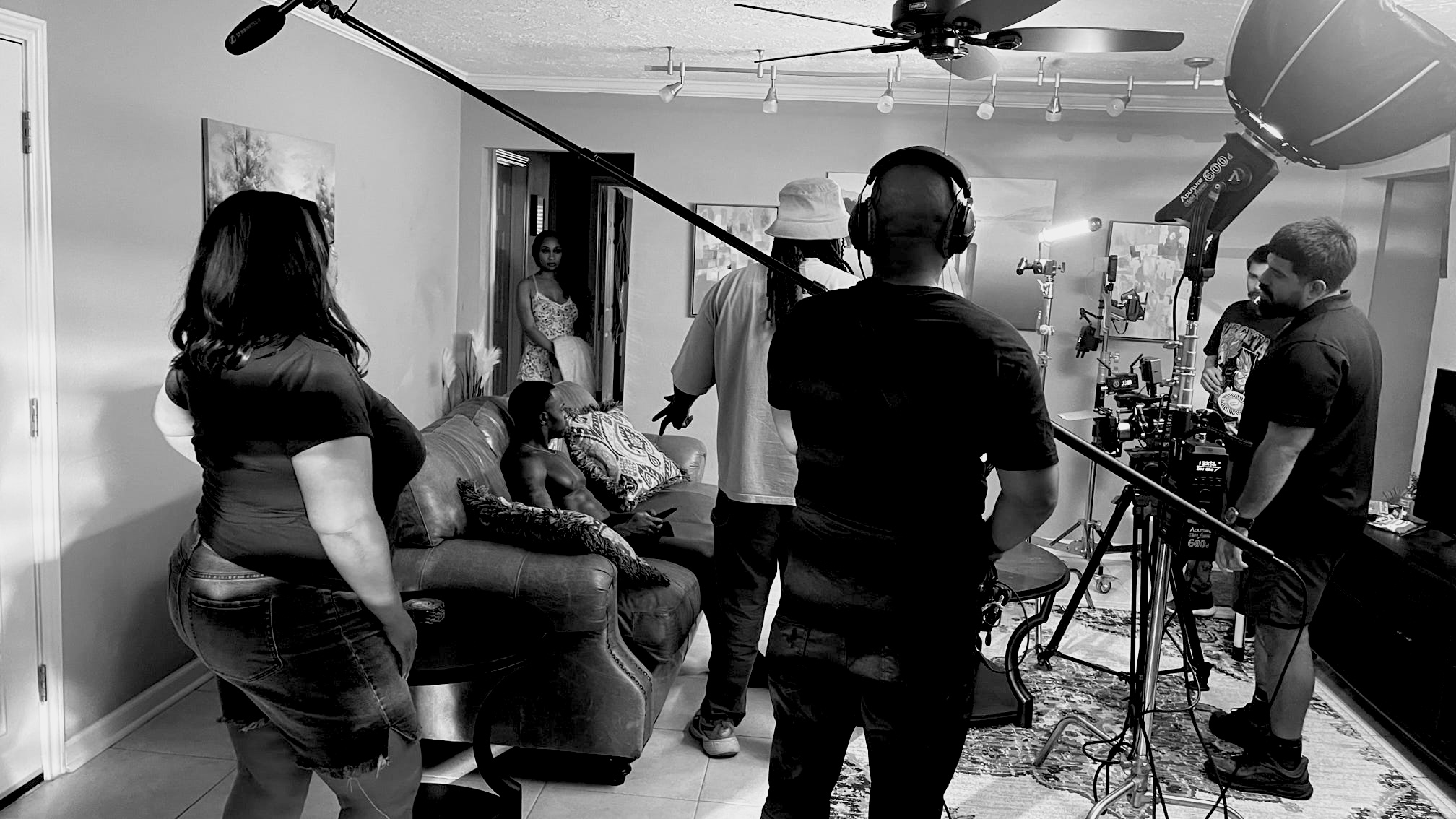
As a Black and minority-owned creative entrepreneur, he understands that access is not always extended, opportunities are not always presented, and sometimes the invitation never comes. Rather than wait for a seat at someone else’s table, he has embraced the responsibility of building his own.
With films reaching audiences through platforms such as Tubi, his creative journey reflects a larger conversation about Black ownership, independent production, and the importance of telling stories from the inside out.
Hype South graced HSM back in 2019, so it was time for a revisit. We sat down with the filmmaker to discuss the inspiration behind his creative vision, the realities of navigating the entertainment industry, and the lessons he hopes to pass on to the next generation of Black creatives.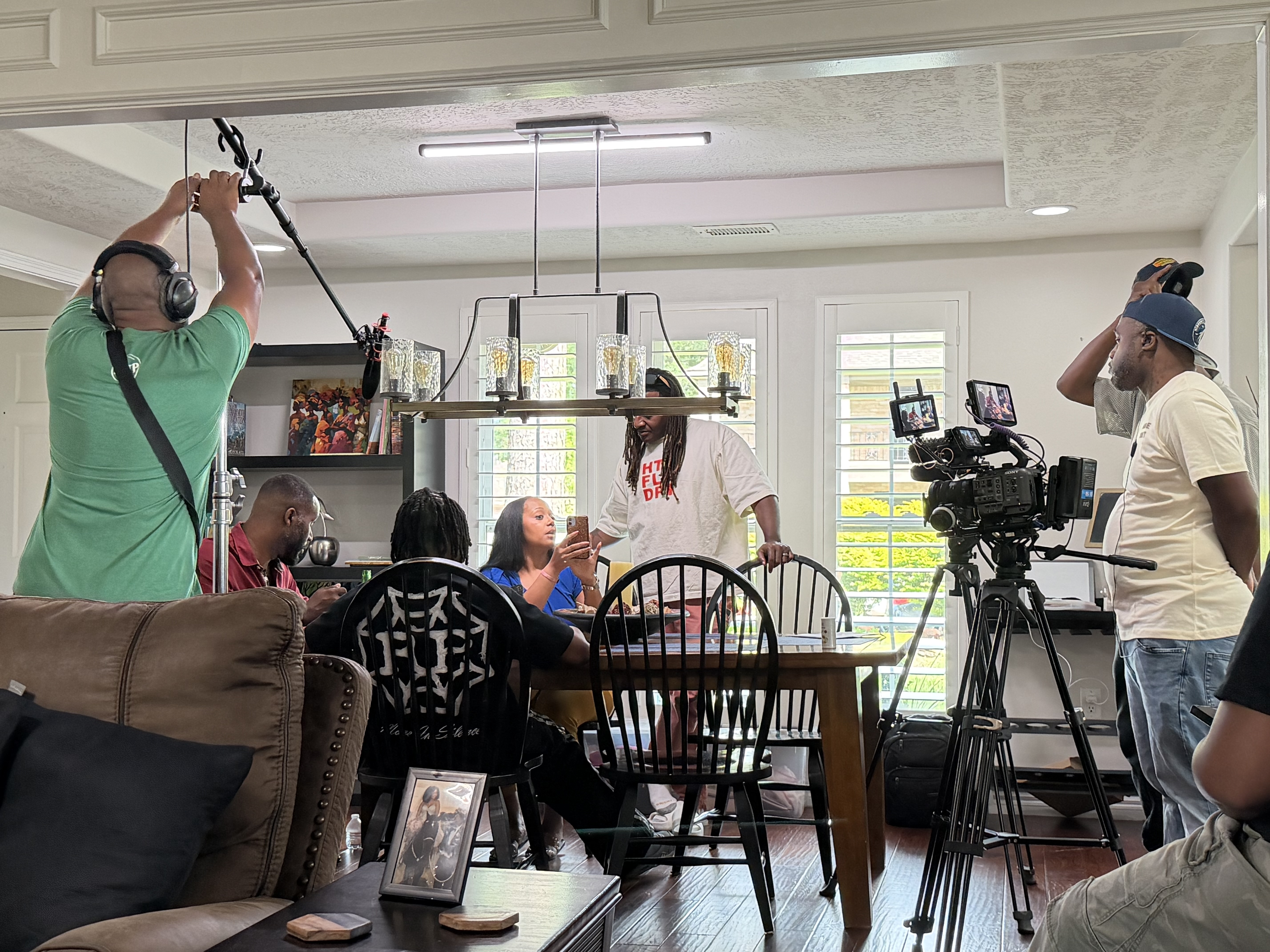
THE ART OF AUTHENTICITY: LIFE THROUGH THE LENS
When you’re behind the camera, what people, experiences, or moments in life inspire your creative vision?
I genuinely believe that art imitates life. When I write or direct, I often draw from my own experiences because they help me create something that feels authentic. Everyone has a distinct creative style, but for me, authenticity is everything.
I want audiences to experience a world that feels believable—not simply in the sense of suspending disbelief, but in a way that makes the characters, environments, relationships, and circumstances feel real. I want people to recognize something familiar in what they're watching.
I'm still growing as a filmmaker, and I haven't mastered that vision entirely, but one of the creatives who inspires me is John Singleton. His ability to tell culturally grounded stories with honesty and emotional depth is something I deeply admire.
BUILDING THE TABLE: THE POWER OF REPRESENTATION
As a Black and minority-owned creative entrepreneur, how has your identity shaped the stories you choose to tell and the way you approach filmmaking and production?
For me, it always comes back to authenticity. I know what I've lived, what I've witnessed, what I've seen, felt, and heard. My storytelling is, in many ways, a microcosm of my own reality.
My identity is also where much of my drive and ambition come from. We understand that the best opportunities aren't always made available to us. More often than not, we have to figure things out for ourselves, create our own opportunities, and build the table because nobody is necessarily inviting us to sit at theirs.
And even when you do the work, establish yourself, and earn your place, access can still feel like a privilege rather than an equal opportunity.
That reality fuels me. It reminds me why ownership matters and why it's important that we continue creating spaces where our voices, perspectives, and stories have room to exist.
KNOWING YOUR AUDIENCE, HONORING YOUR ROOTS
There's something powerful about seeing stories created by people who understand the culture from the inside out. In what ways have you seen the community embrace your work?
I've worked with the Houston industry for a long time, so they've witnessed my transition into filmmaking firsthand. Honestly, that transition was one of the most challenging parts of my journey.
I had built a recognizable lane through my dedication to covering Houston hip-hop. I understood that space, knew my audience, and had established a presence. Moving into film meant stepping into an entirely different creative world, one where I had to discover where I belonged.
Film has so many genres and directions. I had to experiment, take chances, and figure out what my lane would look like. And truthfully, that process is still evolving.
Some of my films resonate more with my immediate following than others, and I've come to realize something important: those are the people I want to make movies for. I want to create for people who come from where I come from, who understand the culture, recognize the experiences, and connect with the messages behind the stories.
Of course, I want massive crossover success. I want the opportunity to reach audiences far beyond my immediate community. I need that growth, and I'm working toward it. But I also know that I have to get there on my own terms.
I don't want to lose the very authenticity that brought me here.
FROM THE FIRST IDEA TO THE FINAL FRAME
Behind every successful film is a vision that starts long before the cameras roll. Walk us through your creative process—from the first idea to production, distribution, and ultimately seeing your work available to audiences on a platform like Tubi.
Interestingly, several of the films I've written began with something as simple as a dream. Others started with nothing more than a name—an idea that I might sit with for months, sometimes a year or longer, before developing it into an actual story.
Every project has its own timeline.
When I'm ready to write, I typically see the entire film in my mind, almost scene by scene. I'll begin by outlining the story from beginning to end. Once I have that foundation, I go back and build out the dialogue, actions, and details that bring the characters and their experiences to life.
It's a process that works for me. I need to see the bigger picture before I can fully develop the individual pieces.
Seeing a project evolve from an idea into a completed film, and eventually become accessible to audiences through a platform like Tubi, is a rewarding part of the journey. It represents the culmination of imagination, persistence, and the work required to bring a vision into reality.
OWN YOUR STORY. LEARN YOUR CRAFT. BUILD YOUR LEVERAGE.
For aspiring Black filmmakers, producers, and creatives who may be waiting for someone to give them an opportunity, what lessons from your own journey would you want them to know about ownership, perseverance, and building a career on their own terms?
Ownership is absolutely important. I've experimented with different approaches to filmmaking, including working entirely independently, receiving support from executive producers, and entering into partnerships.
One thing I've come to understand is that sometimes you have to be strategic. You may have to take the opportunity—and the money—to practice your craft on someone else's dollar.
It's an uncomfortable truth, but it's real.
Your first film may not be your best film. And that's okay. Every project is a rep. Every production teaches you something. Every experience gives you an opportunity to sharpen your skills, understand the business, and become a stronger creative.
The key is to learn from those experiences and use them to build leverage.
I believe independence becomes even more valuable when you have something behind it—experience, a proven body of work, relationships, and the ability to demonstrate what you bring to the table.
Don't be so focused on ownership that you overlook opportunities to learn. But don't be so focused on opportunities that you forget the importance of owning your work and understanding your value.
Make the films. Take the lessons. Build the experience. Then use everything you've learned to create something that belongs to you.
A LEGACY OF BELIEF: THE WOMAN WHO HELPED SHAPE THE JOURNEY
As we celebrate the visionaries who continue to create, inspire, and push boundaries, it is equally important to recognize the people who believe in us before the world fully recognizes what we're capable of.
When asked about someone who played a pivotal role in his career, the filmmaker offered a heartfelt acknowledgment:
"I want to recognize someone who played a pivotal role in my career. She helped build my brand into what it is today. She believed in me, pushed me to be great, and played an instrumental part in helping me become the creative I am today. I want to thank God for her, for what she did for me, and for the countless others whose lives she touched."
Ms. Eden Liwanag, your impact will never be forgotten. Rest well.
It is a reminder that behind many success stories are individuals whose encouragement, guidance, and belief help make the journey possible. Their influence often extends far beyond what can be measured, leaving a legacy that continues through the people they helped elevate.
THE NEXT CHAPTER IS HIS TO CREATE
The journey of an independent filmmaker is rarely a straight line. It requires vision when the path is unclear, discipline when the opportunities are limited, and the courage to keep creating when the recognition has yet to catch up with the work.
For this filmmaker, the mission is bigger than simply getting behind the camera. It is about creating stories that feel familiar to the people who rarely see their realities reflected authentically on screen. It is about understanding the business, building ownership, embracing growth, and refusing to compromise the perspective that makes his work distinct.
His journey is still unfolding, but the message is already clear: You don't have to wait for permission to tell your story.
Sometimes, the most powerful thing you can do is pick up the camera, trust your vision, and create the opportunity yourself.
Because when you own the lens, you have the power to shape the story.