
 57
577/22/2026
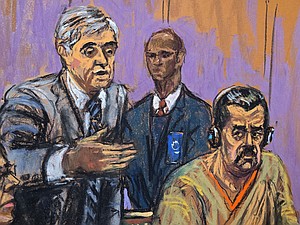
The criminal trial of former Venezuelan President Nicolás Maduro and his wife is scheduled to begin on June 1, 2027, a federal judge said during a court hearing Wednesday.
Federal prosecutors and the Maduros’ defense attorneys jointly proposed a June trial date though they noted the schedule may shift depending on potential complications, such as obtaining classified information.
US District Judge Alvin Hellerstein seemed skeptical the parties would be able to resolve issues related to classified information before the June trial date, noting the process can be lengthy.
“This is a realistic schedule. We don’t think it’s going to slip,” Maduro’s defense attorney Barry Pollack said, but he added the parties would inform the court if any issues arise that could jeopardize the trial date.
Maduro and his wife, Cilia Flores, appeared in court Wednesday wearing tan prison outfits. Maduro shook hands with his defense attorneys when he entered the courtroom and waved to the gallery before he left.
In early January, Maduro and his wife were captured from their heavily fortified home in Caracas after US forces descended on the presidential compound and engaged in an intense firefight with Venezuelan air defenses.
The Maduros were then brought to New York, where they pleaded not guilty to gun and cocaine importation conspiracy charges that prosecutors allege span more than 25 years. They are being held in federal custody at the Metropolitan Detention Center in Brooklyn.
The criminal case against Maduro is so legally complex – involving his past leadership of Venezuela, the nature of proving an international conspiracy and larger foreign policy implications – that his defense could try several different ways to derail it before trial.
Pollack has indicated he will challenge the legality of the arrest and argue the former president should have immunity since the alleged conduct occurred while he was in office.
Earlier this year, Maduro argued the charges against him should be dismissed because the US government was interfering with his ability to defend himself by not allowing the Venezuelan government to pay for his legal fees. The judge declined to dismiss the case at that time, and the US Treasury Department later agreed the Venezuelan government could fund the defense without violating sanction laws.
Maduro was first elected president of Venezuela in 2013, although the US government – along with dozens of other countries – has not recognized him as the country’s legitimate leader since the 2018 presidential election.
After Maduro’s capture, his vice president, Delcy Rodríguez, was sworn in as Venezuela’s acting president. Since then, she has made several significant changes to the country’s armed forces and met many of Washington’s demands. In April, the US lifted sanctions on Rodríguez that had been in place since 2018.