
 57
578/27/2026
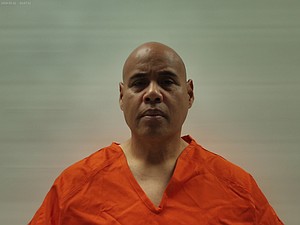
A federal judge declined on Wednesday to intervene in a politically sensitive extradition fight over an ICE agent who is currently detained in Texas but is facing state charges in Minnesota for allegedly shooting an immigrant in Minneapolis earlier this year.
Texas hasn’t agreed to extradite the agent since he was arrested earlier this summer because the state said it was investigating whether the agent technically qualified as a “fugitive.”
A judge on Wednesday said he lacked authority over part of a lawsuit brought by Minnesota Democratic Gov. Tim Walz last week aiming to keep the agent, Christian Castro, behind bars for now because he didn’t find there was evidence that Texas Gov. Greg Abbott had violated federal law by not extraditing Castro yet, as Walz argued. Abbott hasn’t said if he will extradite Castro or not, and his attorneys say he’s still mulling the extradition request made to him in June.
At the same time, the clock has been ticking on a Texas policy that limits the number of days a fugitive awaiting extradition can be detained, and the agent could be released as soon as Thursday.
The state of Minnesota filed a lawsuit last week asking the federal court to order Abbott to hand over Castro and keep him behind bars until the extradition is completed.
Judge Fernando Rodriguez, Jr., an appointee of President Donald Trump, also handed Walz a loss by not directly ordering Texas to hand the agent over to officials in Minnesota to face charges for shooting the immigrant in Minneapolis.
“Minnesota cannot premise its causes of action on the allegation that Governor Abbott may” violate extradition laws in the future, Rodriguez, Jr. wrote in the ruling. “The record before the court … reveals that Governor Abbott has not denied the request for a rendition warrant.”
He continued: “Minnesota identifies no statutory or constitutional provision requiring Governor Abbott to complete his investigation and decide whether to sign the rendition warrant within a particular time period.”
Texas Rangers arrested Castro in Cameron County, Texas, on May 29 on a nationwide warrant. He faces four felony charges and a misdemeanor in Minnesota after the shooting of Julio Sosa-Celis during the height of Operation Metro Surge in the Minneapolis area. Prosecutors in Hennepin County, Minnesota, say Castro shot Sosa-Celis in the leg through the front door of a home, injuring him and endangering several other people who were also inside.
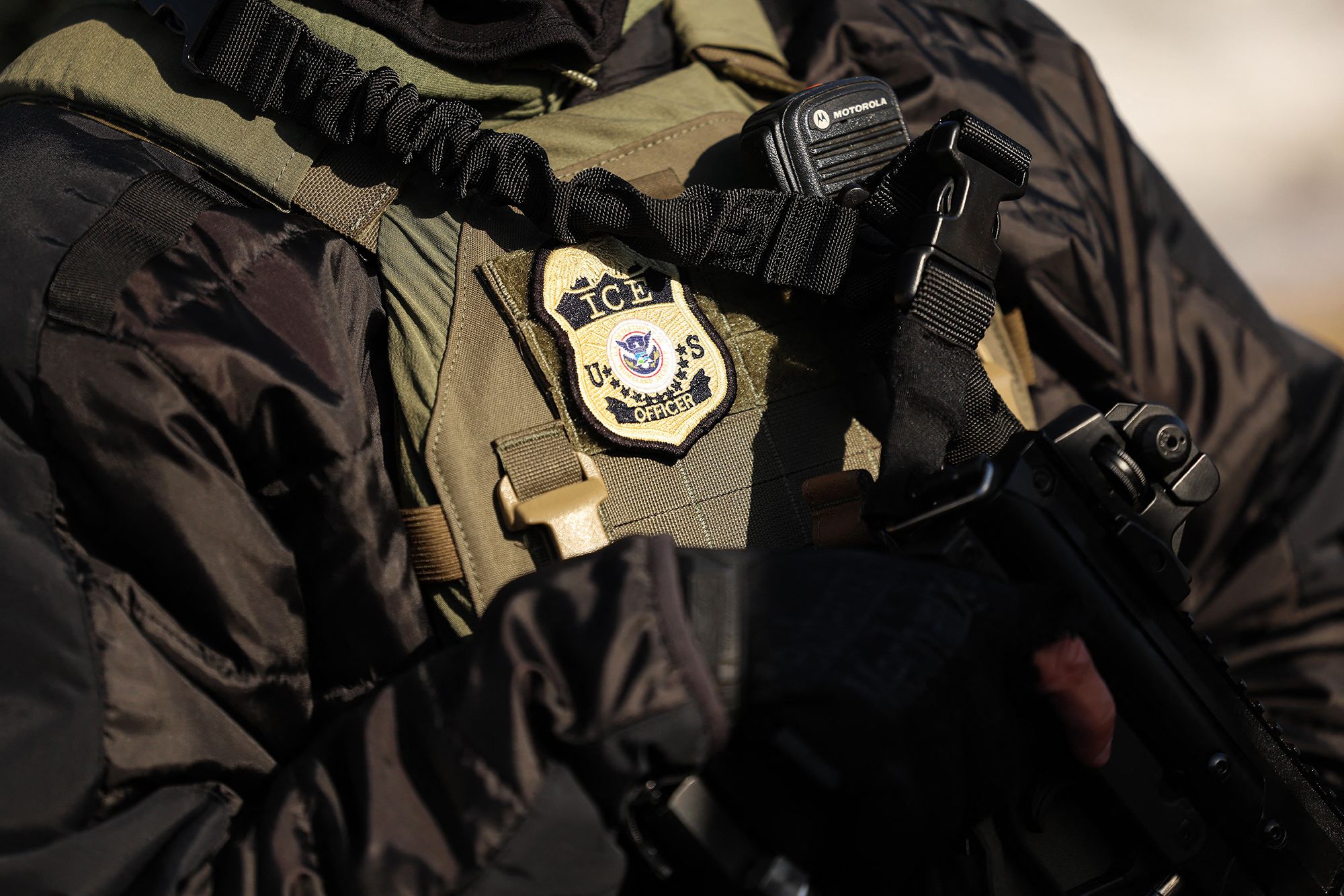
Castro is eligible for release from custody as soon as Thursday due to a Texas criminal procedure policy that puts a 90-day limit on the detention of fugitives awaiting extradition.
Cameron County Sheriff Manuel Treviño told CNN on Wednesday he’s waiting for further guidance from county attorneys on whether to release Castro.
When asked about the extradition battle last week, Abbott did not reference the state’s investigation into Castro’s fugitive status but accused Minnesota of fraud.
“While they’re making demands, I got a demand of my own, and that is, it’s time for Minnesota to step up and repay the United States of America and Americans for all the fraud that they’ve committed in their state under federal programs, and I will not respond to them at all until they step up and do what’s right and they acknowledge their fault in the fraud that took place and they fully repay the United States of America for the fraud they committed,” he said last week in Austin.
After the judge’s decision on Wednesday, Minnesota Attorney General Keith Ellison vowed to continue litigating the case, saying Abbott is “playing with constitutional fire.”
“Greg Abbott is turning Texas into a sanctuary state for violent criminals. But regardless of today’s ruling, Christian Castro will not escape justice in Minnesota,” Ellison said in a statement.
Mary Moriarty, the county attorney for Hennepin County, which issued the charges, said the country is on the “precipice” of having the “political views of governors make a difference in extradition.”
“This is not what was intended to happen by the founders. That’s why there’s an extradition clause in the Constitution,” Moriarty said in a Wednesday evening news conference.
CNN has attempted to reach Castro’s lawyer.
Minnesota, which sued Texas last week, argued that Castro posed a flight risk to Mexico due to a romantic relationship he has with a woman in Mexico. Judge Rodriguez on Wednesday recognized that Castro’s potential flight to Mexico would “impose a hardship on Minnesota’s prosecutorial efforts,” but said that concern alone was not enough to overcome the procedural issue he identified in the case.
“The threat of injury by itself does not create an issue ripe for adjudication,” the judge wrote.
If Castro were to go to Mexico, Moriarty said Wednesday evening “there is an international extradition treaty between Mexico and the United States, but that would require the help of the federal government.”
Texas has resisted the extradition so far because it took issue with Minnesota’s labeling of Castro as a “fugitive.” Castro was ordered back to his home base in Texas in January after the shooting, according to statements admitted to court from an ICE field office director. Abbott’s office argued extradition powers only apply to fugitives and that the state is still determining whether Castro’s move to Texas can be considered the act of a fugitive who’s fleeing from criminal liability.
“The court was right to reject Governor Walz’s absurd claim. The Constitution requires deliberate consideration of extradition requests and tasks Governor Abbott to ‘decide, upon such evidence as he may deem satisfactory’ whether ‘the person demanded is a fugitive,’” Andrew Mahaleris, press secretary for Abbott’s office, said in a statement Wednesday.
Meanwhile, Moriarty said they are all taking some time to consider next steps. “We want to be very thoughtful about how to move forward appropriately in this case.”
She also said, “Much depends on whether Castro does leave and go to Mexico.”
As the extradition fight plays out in Texas, the Justice Department has been considering a federal prosecution, but no decision had been made on Tuesday.
Justice Department spokeswoman Emily Covington told CNN this week that officials in the civil rights division have held conversations with local prosecutors in Minnesota. It is not clear what, if anything, the Justice Department will ultimately charge Castro with. Covington described the conversations as a standard part of any ongoing investigation.
Federal charges would mark a significant move for the Trump administration, which has vigorously resisted attempts to hold ICE officers accountable for other shootings.
Bringing a federal case against the officer wouldn’t on its own stop the Minnesota case from proceeding simultaneously.