
 57
5710/31/2025
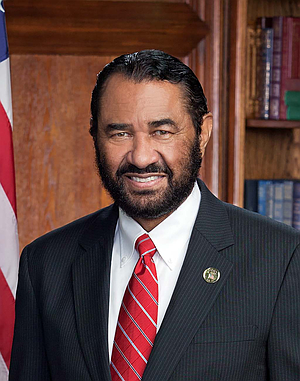
On Friday, October 31, 2025, Rep. Al Green (D-TX) formally introduced the “Domestic Violence Awareness Month Resolution of 2025,” a bipartisan measure aimed at elevating national attention on intimate-partner and family violence. The resolution calls for expanded support services, heightened awareness efforts, and renewed federal commitments to protect survivors and families affected by domestic violence. A full text of the measure is publicly available.
The resolution underscores the vast scope of the problem in the United States, noting that millions of Americans are affected each year. It highlights the disproportionate impact on women and on marginalized communities, and emphasises the serious physical, emotional and economic consequences borne by survivors and their families. Through the resolution, Rep. Green and 141 of his House colleagues ask Congress to back initiatives focused on both female and male victims and to strengthen systems of prevention and accountability.
Key elements of the resolution include formal recognition of October as National Domestic Violence Awareness Month, a call to bolster federal protections, a push to expand access to survivor resources and an appeal to reinforce laws and systems that hold perpetrators to account.
In recent years, domestic and intimate-partner violence has remained a persistent national challenge. According to a 2024 survey, nearly one in two women and more than two in five men in the United States report experiencing intimate-partner violence at some point in their lifetime. One source estimates that approximately 24 people per minute experience physical violence, rape or stalking by an intimate partner — exceeding 12 million incidents annually. At the local level, some metropolitan data show modest declines: for example, an average domestic-assault rate across select U.S. cities dropped about 4 % in 2024 compared with 2023, though that still places it roughly 11 % below the 2019 rate.
By presenting this resolution, the House is being asked to approve a formal acknowledgment of the scope of domestic violence and to endorse concrete steps forward: increased funding for survivor services, strengthened legal responses, and enhanced public‐education efforts to shift perceptions and remove stigmas. The measure stipulates that Congress should prioritise support for programs that intervene early, foster safe environments, and provide pathways to recovery for survivors.
The resolution also recommends that federal agencies coordinate more closely with state and local entities, improve data collection on domestic-violence incidents (including demographic disparities), and monitor outcomes of intervention programs. If adopted, the resolution will serve as a formal declaration of Congressional intent and could help shape future legislative appropriations and oversight of domestic-violence response systems.
As of the introduction, the resolution is awaiting committee consideration and eventual floor vote in the House. Supporters view it as a meaningful step toward aligning federal policy with the scale of the challenge, even if the measure itself is non‐binding.